Somewhere along the way during my journey through life, I came across an idea that changed the way I thought about happiness. I don’t remember exactly where I read it. Maybe something written by Dr. Wayne Dyer or Dr. Joe Dispenza. Or perhaps someone else entirely. But what I do remember is that it was one of those aha moments when something suddenly makes sense.
The idea was simple.
Happiness is a choice.
Now, I certainly wasn’t the first person to discover that idea. Philosophers, spiritual teachers, and countless others have been exploring the concept for centuries. But sometimes it happens that we encounter an idea we’ve heard before, and for whatever reason, it suddenly resonates. That was the case for me, and I’ve been trying to put it into practice ever since.
A Choice We Have to Keep Making
I say it that way because it was not a case where I decided to choose to be happy and poof, I was happy from then on. That would be nice but it just doesn’t work that way. At least for me, it hasn’t become a habit that happens automatically. No. Instead, it is something you have to continually remind yourself of.
Life has a way of presenting us with circumstances that test even our strongest convictions. Things don’t always go the way we’d like. People disappoint us. We make mistakes. Sometimes things happen that are completely beyond our control.
And sometimes we just wake up on the wrong side of the bed.
I still get frustrated. I still get disappointed. And I don’t always respond to situations the way I’d like. But I’ve come to realize that I have a choice about what I do with those feelings. I can’t simply flip a switch and become happy. But I can decide whether I want to continue giving whatever is bothering me control over how I feel. And that realization has made a difference.
Will It Matter a Year From Now?
Something that has helped me in those situations is to put whatever is causing me to be unhappy, no matter how terrible it seems at the time, into perspective.
Take a moment and ask yourself:
How big of a deal is this going to be a year from now?
Often, things that seem terrible in the moment turn out to be relatively insignificant when viewed from a little distance. In fact, I’d venture to say that about 99% of the things we get upset about won’t even be a blip on the radar a year from now.
Of course that’s not a statistical fact, just an observation from my own experience. Your mileage may vary.
But try it for yourself. Think about something that upset or frustrated you a year ago. Can you even remember what it was? And if you can, does it still seem as important as it did at the time? Does it even still matter?
Of course, some things do matter. Some problems have lasting consequences and deserve our attention. But many of the everyday irritations we allow to spoil our mood simply don’t.
So when I find myself getting upset, I try to put the situation into perspective. If it’s unlikely to matter a year from now, is it really something worth sacrificing my happiness over today? Sometimes just asking that question is enough to change my outlook.
Sometimes I Choose Not to Be Happy
Now, here’s where my philosophy might seem a little contradictory. There are times when I consciously choose to remain unhappy about something. Not because I enjoy feeling that way, but because I believe those feelings are there to serve a purpose.
It’s usually when I’ve said or done something that hurt someone else, or when I’ve let someone down who was depending on me. Those are mistakes I don’t want to make a second time. So I take some time to think about what happened.
What did I do wrong? What could I have done differently? And perhaps most importantly, what can I learn from the experience that might keep me from making the same mistake again?
Sometimes that takes a few minutes. Sometimes it takes considerably longer. And during that time, I’m not necessarily happy.
But I’m not trying to be.
I’m trying to learn something. And I think there’s an important distinction between dwelling on a mistake and learning from one. Dwelling on it can keep us trapped in the past. Learning from it can help us become better people. The challenge is recognizing when we’ve learned what we can and it’s time to move on.
I’m still working on that part.
Making Things Right
Of course, when our actions have hurt someone else, simply working through our feelings isn’t always enough. Sometimes we need to apologize, correct a mistake, or find some other way to make things right.
But even that deserves some thought.
I’ve noticed that apologies can sometimes seem more about making the person who caused the hurt feel better than about helping the person who was hurt. I don’t think that’s necessarily intentional. Most of us don’t enjoy feeling guilty, and apologizing can provide a sense of relief.
But is relieving our own guilt really the purpose of an apology?
Or should the focus be on acknowledging the hurt we’ve caused and doing what we reasonably can to make things right? And sometimes, perhaps, the most meaningful expression of regret isn’t what we say. It’s what we do differently afterward.
I don’t pretend to have all the answers to those questions. But I think they’re worth considering.
Happiness Doesn’t Mean Everything Is Fine
I also want to make an important distinction.
When I say happiness is a choice, I’m not suggesting that everyone can simply decide to be happy regardless of what they’re experiencing. Grief is real. Depression is real. Illness, loss, trauma, and hardship can profoundly affect our ability to experience happiness.
And telling someone who’s struggling with those things to just choose to be happy may be neither helpful nor fair.
Nor do I believe choosing happiness means ignoring problems, denying legitimate emotions, or pretending that everything is wonderful when it isn’t. Sometimes circumstances genuinely need to change. Sometimes we need help. And sometimes we simply need time.
What I’m describing is something I’ve discovered in my own life: that I have more influence over my outlook than I once realized. Not complete control. But more influence. And recognizing that has made a difference.
Happiness or Peace?
Has choosing to be happy made me a happier person?
Absolutely.
But looking back over the ten or fifteen years that have passed since that aha moment, I think it’s given me something perhaps even more valuable.
Peace.
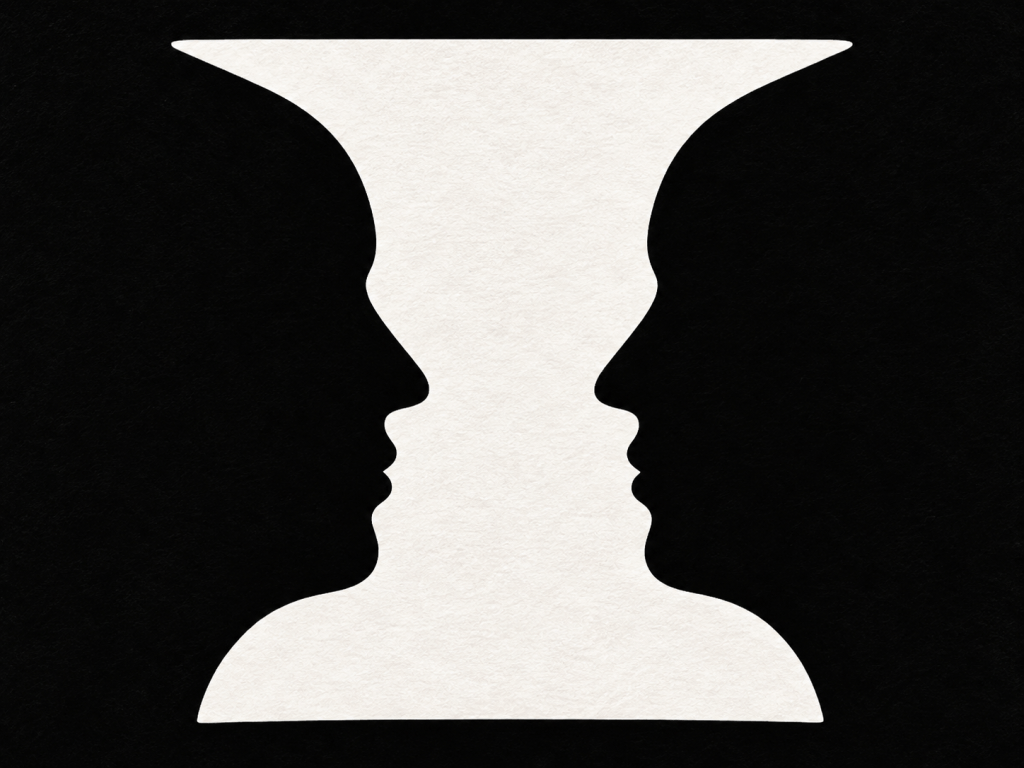
Not the kind of peace that comes from having everything in life go exactly the way I’d like. That rarely happens. Rather, a certain peace that comes from recognizing that I don’t have to allow every disappointment, frustration, or unfortunate circumstance to determine how I feel about my life.
I still get upset. I still make mistakes. (LOTS of mistakes!)
And there are times when I have to remind myself, sometimes more than once, that happiness is a choice available to me. But knowing that I have that choice has made a difference.
It has helped me put things into perspective, spend less time worrying about things I can’t control, and recognize when something deserves my attention and when it doesn’t.
And that has led me to consider a question that goes beyond happiness.
How much of the peace we seek in life depends on changing the world around us, and how much depends on changing the way we approach that world?
I suspect the answer is different for each of us, and perhaps different depending on the circumstances. But for me, learning to change how I approach the world has made a meaningful difference.
And perhaps that’s what I’ve come to appreciate most.
I can’t always choose what happens to me. But more often than I once realized, I can choose what I do with it.
And sometimes, that choice is simply to be happy.